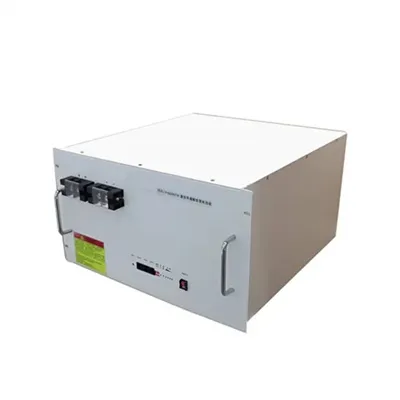
Is a rackable UPS better than a tower UPS? For data centers, a rackable UPS is preferred as it saves space and integrates into existing server racks. Tower UPS is best for small setups.
[PDF Version]
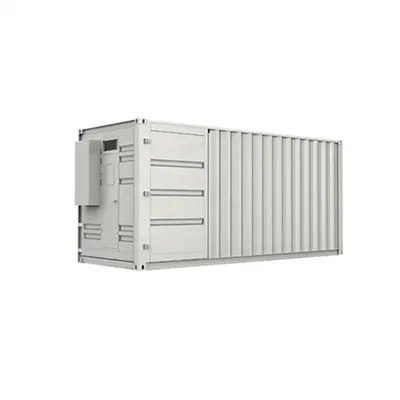
The aggregate rating of the ESS shall not exceed: 40 kWh within utility closets, basements and storage or utility spaces 80 kWh in attached or detached garages and detached accessory structures 80 kWh on exterior walls 80 kWh outdoors on the ground.
[PDF Version]
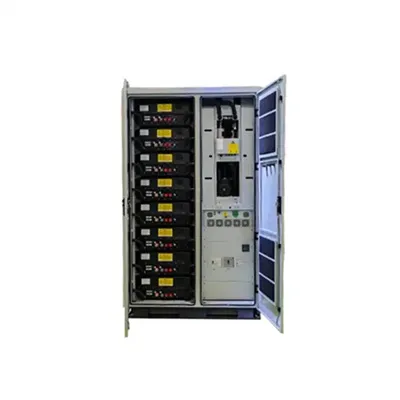
It is usually designed to meet the energy storage needs of commercial, industrial or domestic, or as part of the UPS (uninterruptible power supply) solution for backup power and data centers. Each cabinet is usually composed of multiple battery modules, which is easy to.
[PDF Version]
The main difference is that a server rack battery uses lithium technology, is modular, and designed for high-density IT environments, while a traditional UPS battery uses lead-acid, is bulky, and has a shorter lifespan. Are lithium rack batteries safer than lead-acid UPS .
[PDF Version]