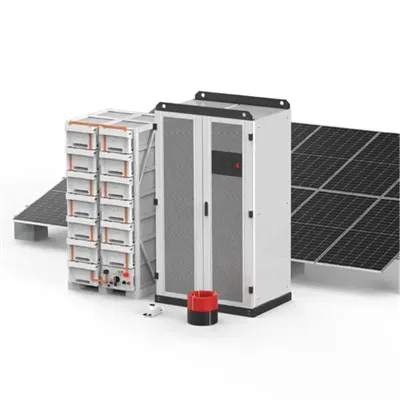
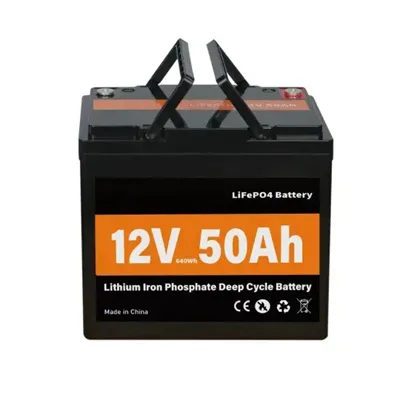
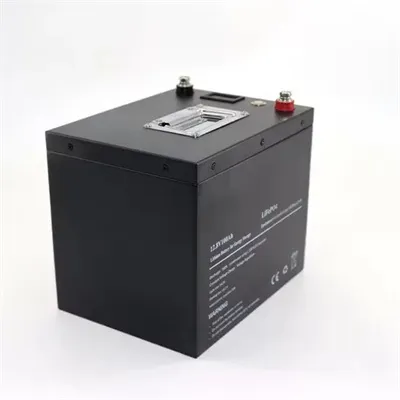
A typical power inverter device or circuit requires a stable DC power source capable of supplying enough current for the intended power demands of the system. The input voltage depends on the design and purpose of the inverter. Examples include: • 12 V DC, for smaller consumer and commercial inverters that typically run from a rechargeable 12 V lead acid battery or automotive electrical outlet.
[PDF Version]
You'll compare 10 options like BelTTT, Renogy P2, Ampeak, NOVOPAL, and LCD-display models, focusing on 2000W continuous power, 4000–6000W surge, and USB/remote features.
[PDF Version]
Using a combination of the SG3525 PWM controller and the EGS002 pure sine wave driver board, this prototype effectively converts a 12V DC input into a stable 220V AC output suitable for sensitive electronics.
[PDF Version]
Advanced solar pumping inverters convert DC voltage from the solar array into AC voltage to drive directly without the need for batteries or other energy storage devices. By utilizing MPPT (maximum power point tracking), solar pumping inverters regulate output frequency to control the speed of the pumps in order to save the pump motor from damage. Solar pumping inverters usually have multiple ports to allow the input of DC current generated by PV a.
[PDF Version]