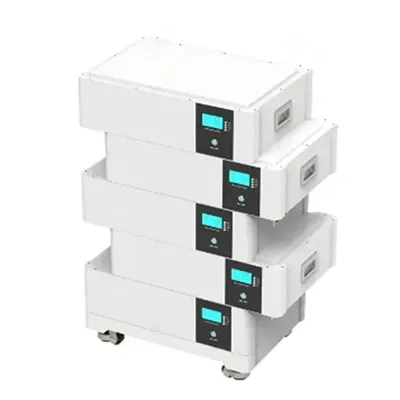
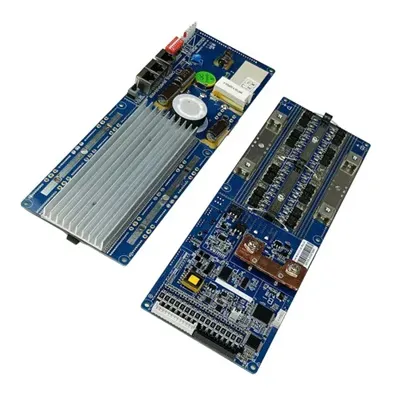
TES devices store energy by heating or cooling a medium (sensible heat), taking advantage of phase shifts (latent heat), or initiating reversible chemical reactions (thermochemical storage), whereas electrochemical batteries (such as lithium-ion) store energy in chemical.
[PDF Version]
Search thousands of jobs in solar, wind, energy storage, and clean technology. Get weekly job alerts delivered to your inbox.
[PDF Version]
Our Apia series leads this trend with its patented dual-ventilation system achieving *45% better heat dispersion* than conventional models. | Model | Exhaust Volume (CFM) | Continuous Operation | Apia Basic | 12.
[PDF Version]
Aiming at maximum net benefit and minimum grid-connected fluctuation, the model considers the constraints of energy storage capacity and power upper and lower limits, charge and discharge power constraints and state of charge constraints, and adopts the NSGA-II method.
[PDF Version]