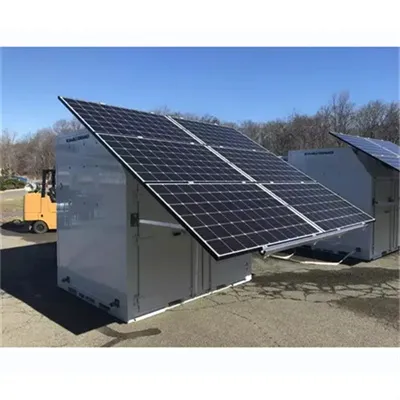
The optimal tilt angle for solar panels typically equals your location's latitude. For most of the continental United States, this means angles between 25-45 degrees.
[PDF Version]
These standards address varying regional needs, technical specifications, and safety requirements, ensuring that inverters function optimally in different grid environments while enhancing the overall reliability and stability of renewable energy systems globally.
[PDF Version]
Designing a solar panel foundation involves the following steps: Assess Site: Evaluate soil and topography. Analyze Loads: Calculate panel and environmental loads. Choose Foundation: Select a suitable type (slab, piers, screws). Structural Design: Engage engineer for compliant.
[PDF Version]
This page covers the cost structure of residential and commercial solar installations in Massachusetts, including the major pricing components, how state and federal incentives offset gross costs, and the boundaries that separate straightforward installations from complex.
[PDF Version]